Tomatoes with a heat memory
10/30/2026 · Leibniz Institute for Horticultural Sciences
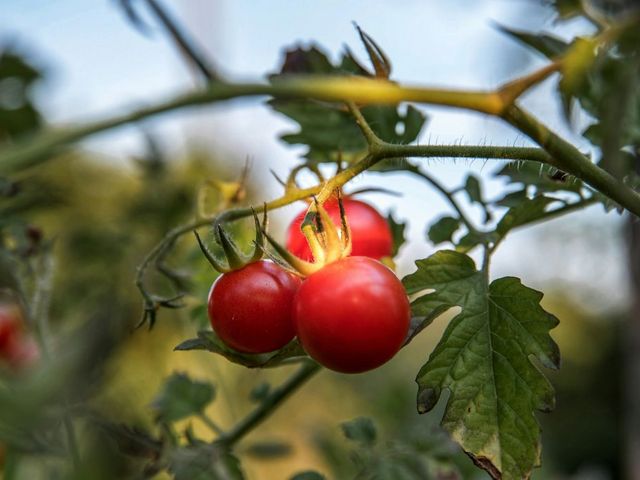
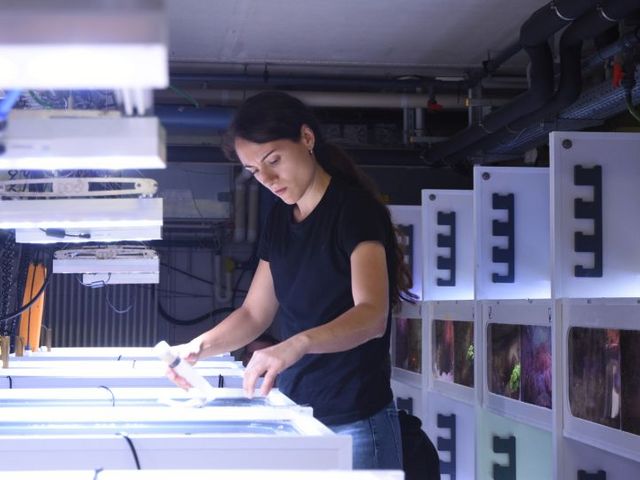
Tomatoes are able to prepare themselves for recurring heat stress. Moderate heat exposure can reprogramme the plants so that they activate a protective effect.
Early warning system against viruses
10/28/2026 · Bernhard Nocht Institute for Tropical Medicine
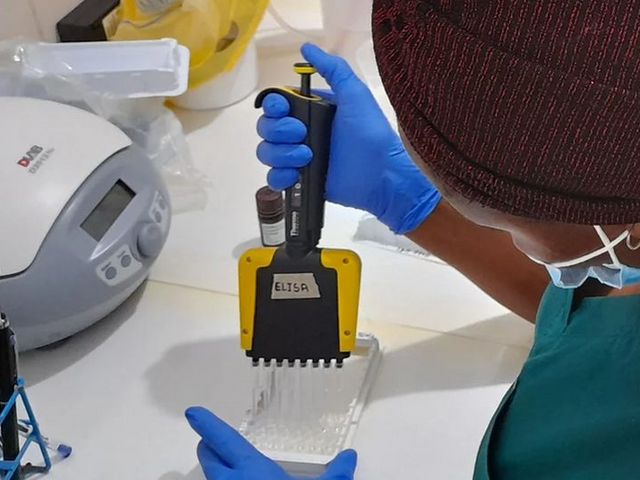
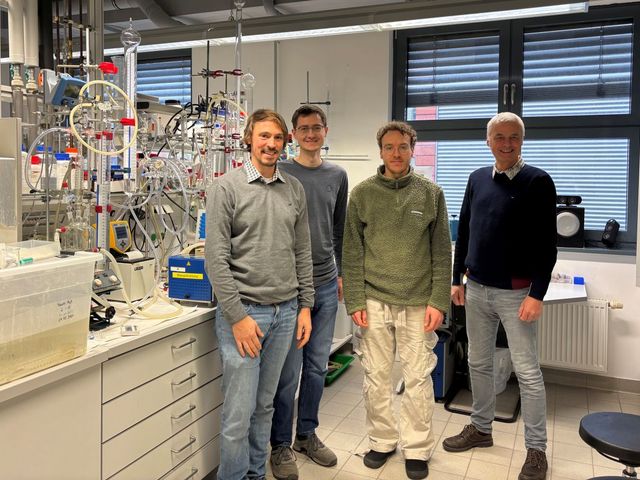
Ten years after Ebola: An international laboratory partnership is strengthening local laboratories in Guinea and improving the early detection of dangerous viruses.
Read in the sediment
10/22/2026 · Leibniz Institute for Baltic Sea Research
Microplastics as a marker for a new geologic epoch: Researchers propose using plastic particles in sediments to provide geological evidence of the Anthropocene.
Defective, but not silent
10/21/2026 · Leibniz Institute of Virology
A recent study shows why HIV persists in the body for decades despite effective therapy. The findings could pave the way for new strategies to combat the virus.
Vultures on the thermals
10/19/2026 · Leibniz Institute for Zoo and Wildlife Research
Until now, swimming was considered a particularly energy-efficient mode of transport for wild birds. However, according to a new study, flying with air currents is even more efficient.
CAR-T Cell therapy against rheumatism
09/14/2026 · German Rheumatology Research Center
Misguided immune cells may be responsible for the recurring flare-ups of rheumatoid arthritis. Treatment with genetically modified immune cells has now led to remission in the first patients.
New lighting
09/14/2026 · Leibniz Institute for the Analysis of Biodiversity Change
Amber-coloured LEDs attract significantly fewer insects than conventional station lighting. Based on the results of these studies, Deutsche Bahn has already retrofitted its first stations.
Early exposure to capital markets
09/11/2026 · Leibniz Institute for Financial Research SAFE
The “early start pension” offers enormous opportunities to change Germany’s equity culture sustainably, economists say – provided they are structured correctly. A new white paper sets out recommendations.
Experience beats skill
08/28/2026 · Leibniz Institute for Zoo and Wildlife Research
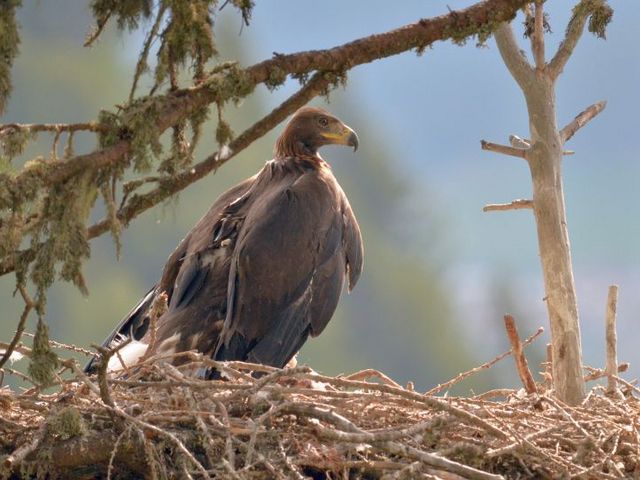
When golden eagles leave their parents' territory is not determined by their flying ability. The decisive factors are motivation, competition, food availability, and weather.
Eruptions in the laboratory
08/24/2026 · Leibniz Institute for Astrophysics Potsdam
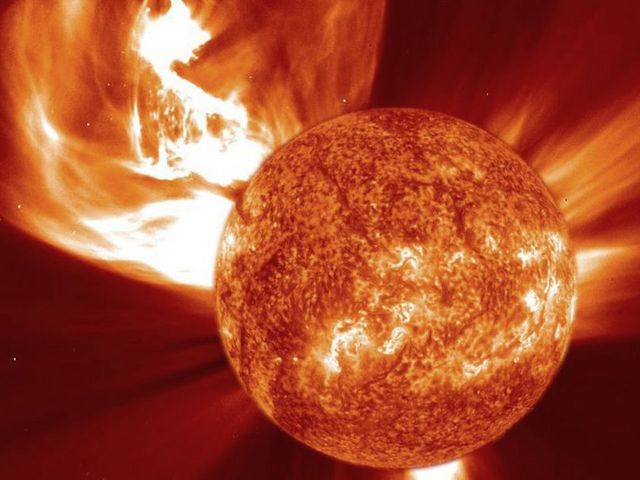
Coronal mass ejections occur regularly on the Sun, but are very rarely observed on other stars. A study reveals the role that magnetic fields play in this process.
Cosmic conveyor belt
08/07/2026 · Leibniz Institute for Astrophysics Potsdam
A state-of-the-art simulation shows for the first time that star clusters and stellar disks in galaxies grow together. The results shed new light on the formation history of our Milky Way.
How smoke particles affect the climate
08/05/2026 · Leibniz Institute for Tropospheric Research
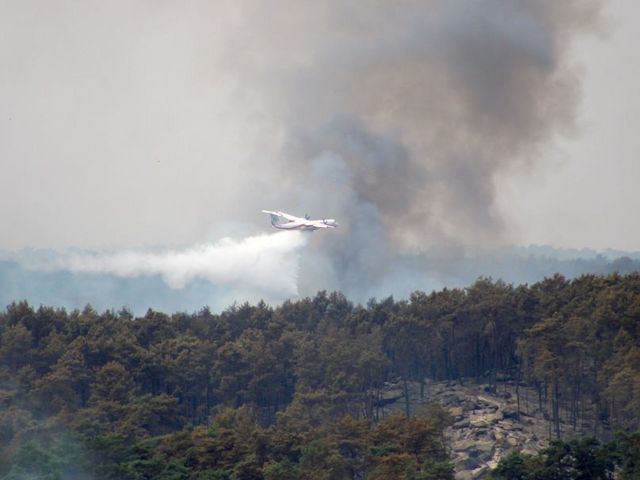
Measurements over Leipzig demonstrate the unusual extent of the wildfires in southern Europe: smoke particles were transported to Germany at various altitudes.